
Bedroom lighting ideas that make small rooms feel bigger
Small bedrooms don't need more light. They need light in the right layers. Here's how to fix a cramped, flat-lit bedroom with three fixtures and one bulb spec change.
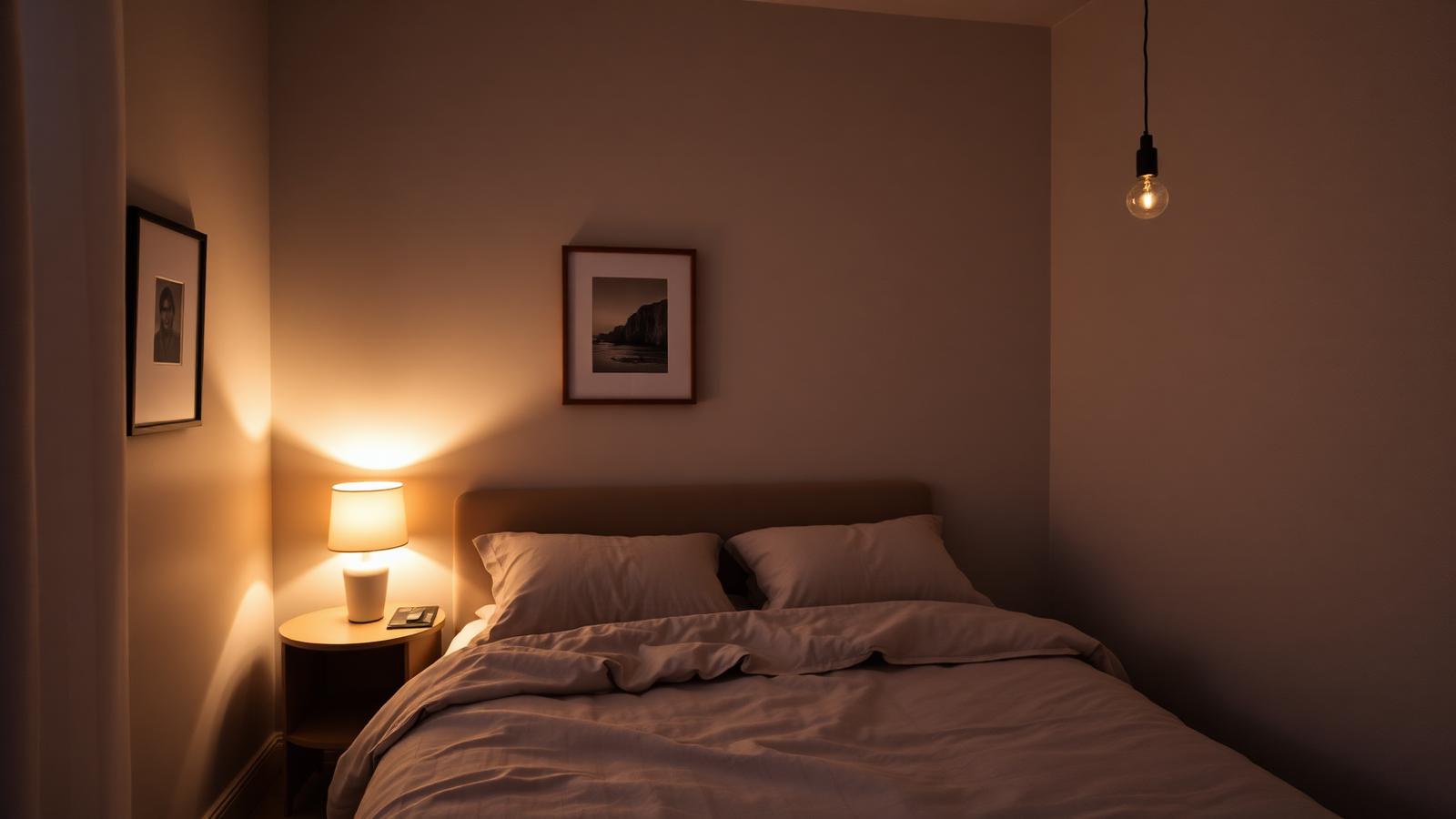
A small bedroom lit by one ceiling bulb feels smaller than it is. That flat overhead light flattens every corner and turns the room into a box. Add three warm sources at three different heights and the same room reads calm, layered, and about a third larger.
This is the same principle hotel designers use. It's cheap, it takes an afternoon, and you can do it in a rental.
The three-layer rule for small bedrooms
Every good room has three lighting layers. Skip one and the room feels off. In a small bedroom the layers matter more because there's less room for the eye to rest.
1. Ambient (the overall glow)
This is what fills the room when you first walk in. In most bedrooms it's a ceiling fixture, but a single overhead bulb is usually the wrong choice. Swap it for a semi-flush mount with a warm dimmable bulb, or ditch the ceiling light entirely and use two matching floor lamps in opposite corners. Corner lamps push light across the room instead of straight down.
2. Task (light for a specific job)
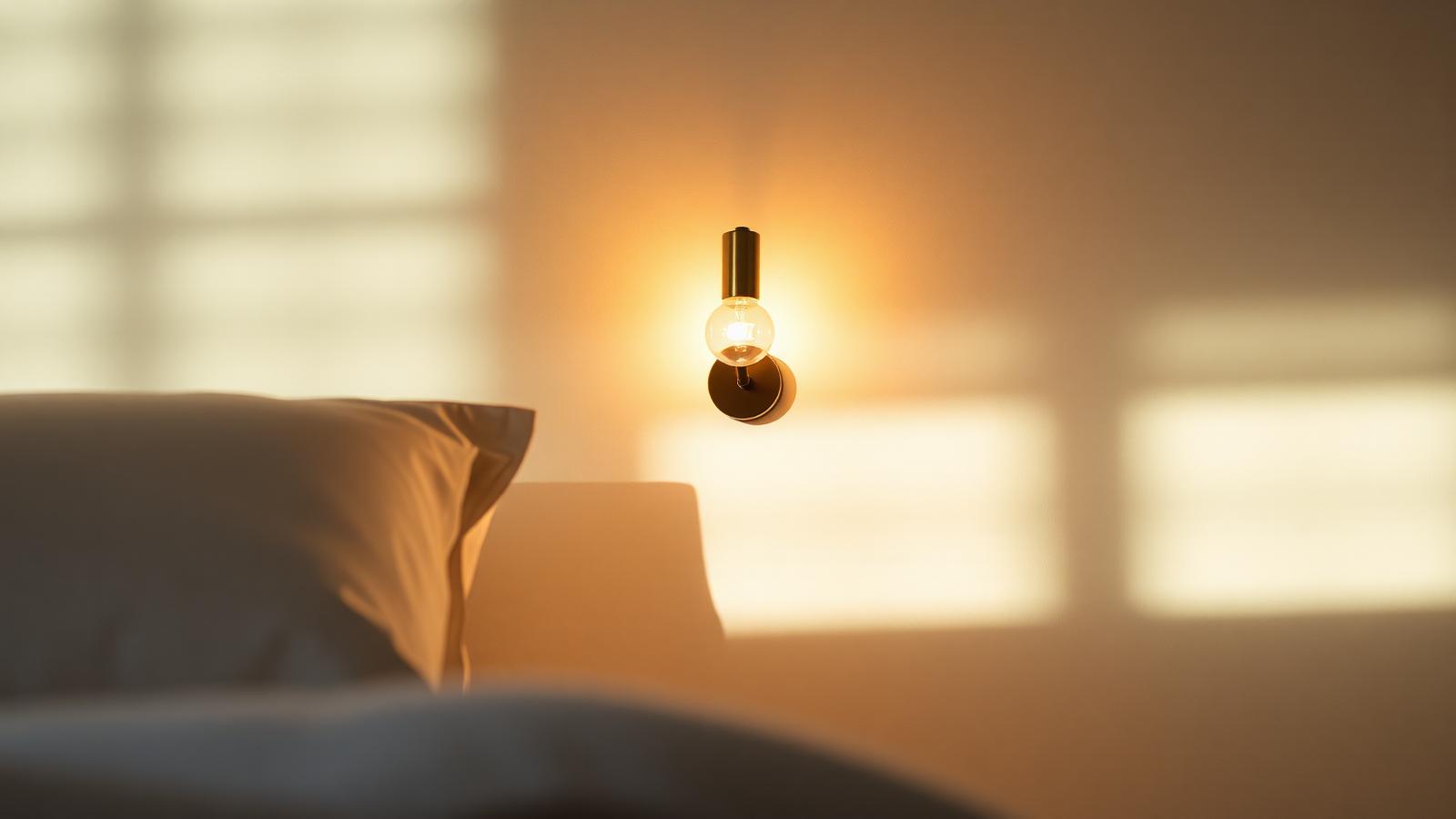
Reading in bed, getting dressed, checking your phone. Task light is close to the thing you're doing. In a bedroom this is the bedside lamp or, better, a wall-mounted sconce next to the bed.
Wall sconces beat table lamps in small rooms for one reason: they free up the nightstand. A 12-inch nightstand with no lamp holds twice as much stuff and looks half as cluttered.
3. Accent (light for atmosphere)
The layer people skip. A picture light over art. A small pendant on a dimmer. Under-bed LED strip on a low warm setting. Accent light gives the eye somewhere to land in the evening and is what makes a room feel finished.
Fixtures that free up floor space
Small bedrooms punish anything that takes up floor. These fixtures give you the light without the footprint:
- Plug-in wall sconces (no wiring needed, works in rentals)
- Slim wall-mounted reading lights with a flexible arm
- Picture lights over art (adds a second layer to a bare wall)
- Small pendants hung from the ceiling next to the bed instead of a table lamp
- Under-cabinet LED strip along the top of a headboard or bookshelf
- A single arched floor lamp behind the bed if wall mounting isn't an option
Skip: ceiling fans with light kits (harsh light, low ceiling look), giant floor lamps with wide shades, table lamps taller than 22 inches on a small nightstand.
The bulb specs that actually matter
You can buy the perfect fixture and ruin it with a bad bulb. Two specs are the ones that change how a room feels.
Color temperature (Kelvin). For bedrooms, use 2700K. That's the warm, candle-adjacent color that helps you wind down at night. 3000K is fine for bathrooms and closets. 4000K and up is office and kitchen territory. Never put a 4000K bulb in a bedroom, it turns the room into a hotel lobby.
Color rendering index (CRI). This is how accurately the bulb shows colors. Cheap bulbs are 80 CRI, which makes red walls look pinkish and skin tones look grey. Spend a couple extra dollars for 90+ CRI bulbs. In a small bedroom you notice this immediately.
Dimmability. Every bulb in the bedroom should dim. Non-dimmable bulbs force one lighting mood. A dimmable bedside lamp goes from reading (100 percent) to winding down (30 percent) to nightlight (5 percent).
For bulb efficiency, ENERGY STAR has a searchable database of certified LED bulbs. Filter by 2700K, 90+ CRI, and dimmable.
Where to place lights to make the room feel bigger
Placement matters as much as fixture choice. Two placement moves make small bedrooms feel taller and wider.
Move light off the ceiling and onto the walls. A single overhead bulb creates one bright spot and lots of shadow. Wall-mounted light bounces off the ceiling and spreads. The room stops feeling like a cave.
Uplight the corners. A small lamp aimed at the ceiling in a corner does two things: it lifts the perceived ceiling height, and it kills the dark corner that makes small rooms feel cramped. This is why hotel rooms almost always have a corner floor lamp.
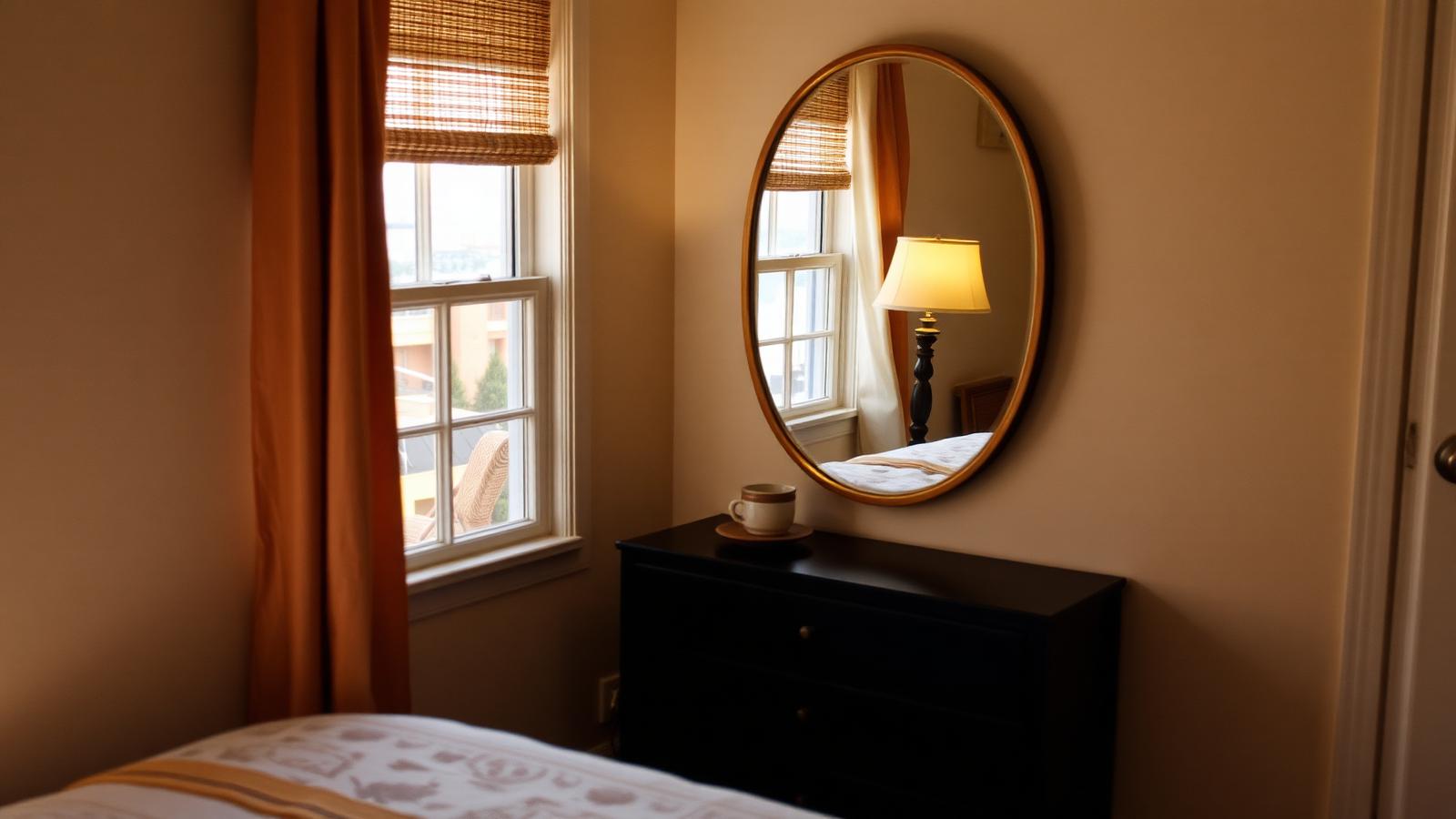
Bounce light off a mirror. Put a lamp near a mirror and the mirror doubles the perceived light. A mirror opposite a window doubles the natural light too. Small rooms love mirrors for this reason.
A shopping list you can actually use
| Item | Approx cost | Why |
|---|---|---|
| Two plug-in wall sconces | $60 to $200/pair | Free up nightstands, add task light |
| Two 2700K, 90+ CRI dimmable bulbs | $18 to $30 | Warm light with true colors |
| One arched or slim floor lamp | $80 to $250 | Ambient uplight, kills dark corners |
| One picture light or small pendant | $40 to $180 | Accent layer, atmosphere |
| One wall mirror (24 to 36 inch) | $60 to $200 | Doubles perceived light |
| Smart dimmer or bulbs | $25 to $70 | Sets scenes with a phone or voice |
Total, on the low end: about $283. On the high end: about $930. That's less than a nightstand and it changes the room more.
See it in your room before you drill
Wall sconces mean holes in the wall. Before you commit, upload a photo of your bedroom to the AI Interior Designer, pick a lighting-forward style like Japandi or modern warm, and see the fixtures rendered in your actual room. You'll spot right away whether the sconce is at the right height, whether the wall color works with the fixture finish, and whether the whole thing feels calm or busy.
For a full room mockup with real lighting simulation, the CAD tool has a render studio with time-of-day light and warm bulb presets.
The 30-minute upgrade
If you do one thing this weekend: swap every bedroom bulb for a 2700K, 90+ CRI, dimmable LED. That single change costs about $30 and takes 15 minutes. The room will already feel warmer and bigger.
If you do three things: add a plug-in wall sconce on each side of the bed and one uplight in a corner. Total time, an afternoon. Total cost, about $200. The room won't be recognizable.
Frequently asked questions
What color temperature is best for a bedroom?+
2700K. That's a warm, candle-like white that helps signal to your body that it's evening. Anything cooler than 3000K (like the 4000K bulbs used in offices) is too alerting for a bedroom.
How many lights should a small bedroom have?+
At least three separate light sources at three different heights. One ambient (ceiling or floor lamp), one task (bedside), and one accent (picture light, small pendant, or under-bed strip).
Do wall sconces make a room look bigger?+
Yes, in two ways. They free up floor and nightstand space, and they push light onto the walls and ceiling instead of down. That upward bounce makes the ceiling feel taller.
Are LED bulbs safe for bedrooms?+
Yes. Look for LEDs rated 2700K, 90+ CRI, and ENERGY STAR certified. Avoid blue-heavy cool white bulbs in bedrooms, especially near bedtime.
Can I install wall sconces in a rental?+
Yes. Look for plug-in sconces (no hardwiring needed). Many hang on a single small screw or a Command hook and use a cord that runs to a nearby outlet.
Try it free
See it in your room in 20 seconds
Upload a photo, pick a style, and get a photoreal redesign from the Deco Epoch AI Interior Designer. No login, no paywall.
Related articles
AI living room design ideas for small homes that actually work
Small living rooms fail for one reason: people pick furniture before they pick the traffic pattern. Here's how to fix that, plus 3 layouts that work in almost any 10x12 room.
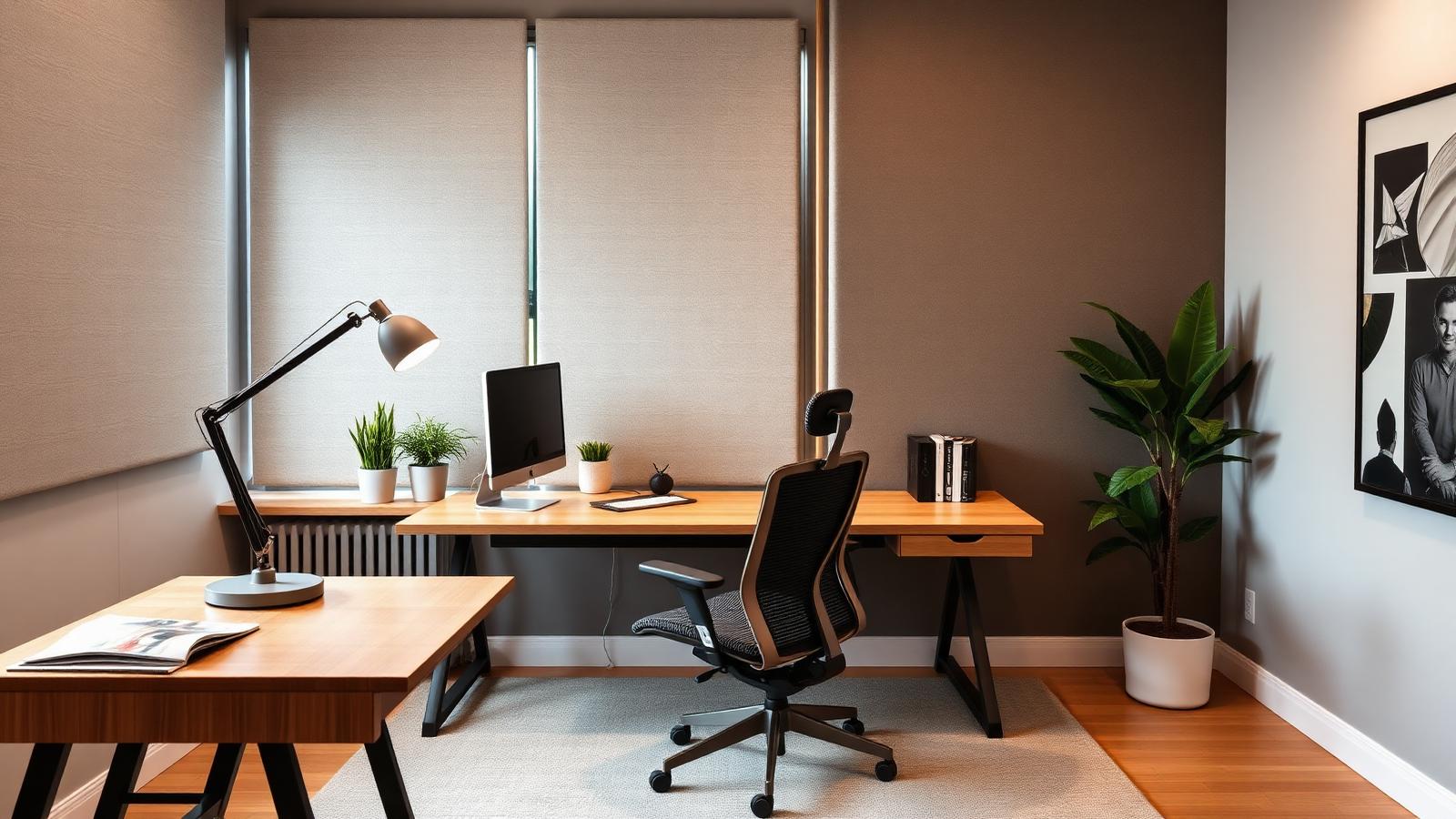
How to design a modern home office with AI
Most home offices are a spare bedroom with a desk in it. That's why they don't help you focus. Here's how to design a real one, with AI doing most of the work.

How to plan a home renovation budget without overspending
Most renovations blow the budget for the same reason: people plan for what they'll spend, not what they'll be asked to spend. Here's how to build a budget that survives contact with reality.